





The Battle for the EV Wallet: What the Future Economics of Charging Looks Like.
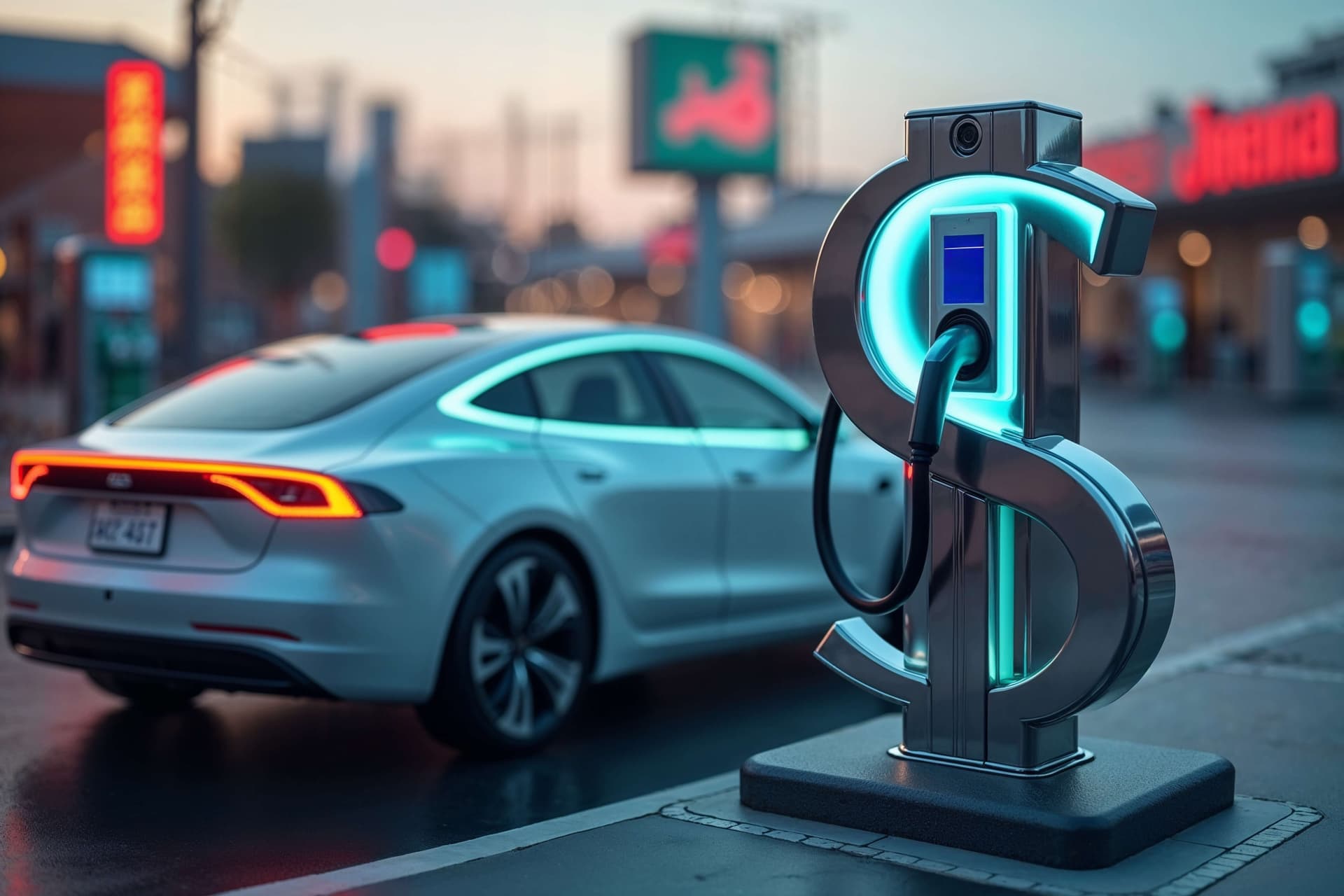
While there’s been great progress made in electric vehicle adoption across North America, cracks are starting to show. Fast-charging prices are climbing, utilization remains uneven, investors are scratching their chins and utility companies are asking for more predictability.
This tension is quite apparent. First, it’s shaping driver behaviour and infrastructure investment decisions. And secondly, it’s affecting policy conversations in Canada and the US. It is forcing the industry to rethink the question:
What does a sustainable charging business model actually look like?
Prices are changing driver behaviour
DC fast charging was once positioned as the affordable alternative to gasoline. In many regions, that promise is eroding. Demand charges, grid upgrade costs, land leases, and equipment prices have pushed per-kWh rates higher. In parts of Canada and the US, fast-charging costs can rival or exceed the equivalent cost of fueling an efficient ICE vehicle. (Even though the overall costs of owning an EV are lower.)
And drivers are taking note. The result is a shift in driver behaviour. This is reflected in industry data. EV owners are becoming more selective about when and where they charge. Fast charging is reserved for true necessities, like road trips, fleet operations and time-critical travel. Everyday charging is migrating back toward lower-cost, lower-stress options.
This isn’t a failure of public charging. It’s a signal the market is maturing.
Utilization volatility, the quiet killer
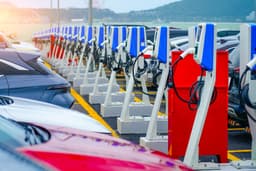
From an infrastructure perspective, utilization is still the hardest variable to control. Public chargers oscillate between underused and overwhelmed. Often within the same network. Urban DC fast chargers experience peak congestion during limited windows, while suburban and rural charging stations don’t see as much action outside holiday weekends.
Low utilization kills ROI. High congestion erodes trust and adds frustration. Both slow adoption and damage brand equity.
Meanwhile, policymakers have tried to address this through planning, minimum uptime requirements and subsidies. While they help, they don’t solve the structural problem. Public infrastructure alone cannot deliver consistent utilization across all geographies, trip types, and daily rhythms.
The investor-driver-utility triangle
Charging economics are at the mercy of three competing priorities:
- Drivers: They want affordability, availability and certainty.
- Investors and operators: They look for stable utilization and predictable revenue.
- Utility Companies: They seek stable load profiles without new peak problems.
The traditional public charging models don’t always satisfy all three simultaneously.
Dynamic pricing can improve margins but drivers detest it. Flat pricing improves adoption but reduces ROI. Subscription models stabilize revenue but only work at scale.
What’s missing is not another pricing strategy, but another layer in the EV charging world.
Enter P2P residential charging: RoadtoEV
Distributed residential networks can make a huge impact and change the equation.
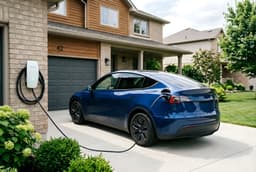
Home chargers, particularly L2, already deliver the cheapest, most grid-friendly energy in the system. They’ve been mostly invisible to the broader charging economy. But RoadtoEV is changing that by turning private assets into bookable, discoverable EV chargers.
From an economic standpoint, this makes a difference:
- Grid smoothing: Residential chargers absorb demand that would otherwise hit public networks during congestion windows. That reduces peak pressure without new construction.
- Revenue diversification: Hosts start to monetize their chargers, while RoadtoEV aggregates thousands of micro-transactions into a meaningful network. This is not theoretical, it mirrors the economics of a distributed marketplace that stabilized supply long before centralized systems could scale.
- Price anchoring: Community-hosted charging introduces lower costs into the ecosystem. This doesn’t undercut public fast charging, it complements it by preserving fast charging for scenarios where the premium makes sense.
Host monetization
For homeowners, listing a charger brings in extra income. The charger is already installed. The electrical capacity already exists. The marginal cost of sharing is low, and the benefits are huge: offset electricity bills, recover installation costs, generate steady side income.
At scale, this creates a market of distributed EV charging. One that is local, flexible, and responsive to demand patterns.
The broader ecosystem revels in this because it means new charging capacity comes online without waiting years for permits, interconnections or funding.
Utility Companies get the stability
From a grid perspective, distributed residential charging offers something public fast charging just cannot. Predictability.
Community charging sessions are typically planned and longer-duration. That makes them easier to integrate into demand-response programs, off-peak incentives and future smart-grid coordination.
RoadtoEV sits at the crossroads of driver intent and grid reality. They enable charging that aligns with daily life rather than forcing behaviour around infrastructure scarcity.
Who wins the EV wallet?
The future economics of charging won’t be decided by a single model winning out. Just by how well the ecosystem offers choice and flexibility.
Drivers want to choose price over speed when time allows. Investors want assets that earn consistently. Utilities want demand they can plan for.
P2P residential charging doesn’t replace public infrastructure, it merely relieves it. It absorbs overflow, while stabilizing utilization. It makes the entire system more resilient.
RoadtoEV’s Role
RoadtoEV operates as connective tissue aggregating existing chargers, unlocking underutilized assets and giving drivers predictable, bookable access aligned with real-world plans.
In the battle for the EV wallet, affordability isn’t just about cheaper rates. It’s about reducing friction, avoiding uncertainty and letting people live their lives without planning around the next charge.
That’s a win for better economics and infrastructure strategy.
As charging prices rise and utilization pressure intensifies, the winners will be those who embrace distributed solutions early, before the market forces the issue.
Download the RoadtoEV app to see how p2p charging can stabilize and improve public charging networks. List your home charger, or book one nearby, and help build the network that powers the next EV revolution.
Available on all major app stores. Learn more at RoadtoEV.com
For EV Auto Makers, Home L2 Charger Manufacturers and Public Charger Operators, and other businesses looking to partner with RoadToEV app contact marketing@RoadtoEV.com