





Myth: Public Charging = Enough
Fact: Private, Semi-Private and Community Access Is the Missing Middle
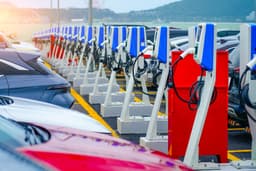
It’s been curious to see North America’s EV strategy. It has hinged on one big metric - public chargers per capita. It has its benefits. It’s tidy, politically digestible and it makes for great bar graphs in funding announcements.
But EV industry insiders know this is not the whole truth. It’s akin to calculating fitness by “steps per day”. It’s an interesting metric, but it doesn’t tell the full story.
The real EV adoption story isn’t whether a city has 15 or 30 public chargers per 100,000 people. It’s about places where most drivers need to charge, and the places where public charging just can’t move fast enough. For example, condo garages, workplaces, curbsides, community hubs and the thousands of semi-private lots. They’re asking to be made EV ready, but stuck behind bureaucracy, budgets or for lack of a better word, hesitation.
It's clear North America is in the midst of an access shortage. And this missing middle section is exactly where the next phase of EV adoption will be won.
The Limits of the Public-First Playbook
Public charging infrastructure is absolutely essential. NEVI, ZEVIP or the entire DCFC playbook are vital to EV access and growth. But the assumption that public chargers alone can shepherd millions of new EV drivers onto the road doesn’t match how people actually behave.
Let’s take a deep dive:
Condos and apartments: EV dead zones
In the U.S. and Canada, roughly 30% of households live in condo apartments. Yet, only a fraction of these buildings offer EV charging. Retrofits are slow, expensive and often blocked by landlord resistance or utility upgrade requirements. Even though incentives exist, it is not accessed. This means a large population of urban drivers who have or are considering an EV, can’t charge at home.
Curbside access: Maybe, maybe not.
North American cities have the right ideas. There’re streetlight chargers, bollard chargers, and even block-level hubs. But rollout has been at snail pace. Utility companies take their time with permitting and execution. If you don’t have a driveway, your EV experience is horrendous.
Public chargers: Not where people actually are
A mall, a highway stop, a city hall. These might be high traffic areas, but public charging networks can’t cover the infinite range of where people live. Like schools, workplaces, community centres, sports fields, and thousands of semi-public destinations that aren’t deemed public infrastructure projects. But they could easily host a charger.
Public-only chargers: ignoring ground realities
Public chargers are great! But every public DC fast-charging hub requires heavy infrastructure, long interconnection queues and significant utility planning.
Meanwhile, there are tens of thousands of underused L2 chargers already sitting idle through the day in garages, driveways, and private lots. Talk about untapped potential.
The Missing Middle: Community Charging
The future of EV readiness cannot solely depend on massive public stations. It hinges on turning small, everyday spaces into charging access points.
Here’s where the real opportunity lies. And it’s where RoadtoEV has been building the bridge the industry keeps talking about.
Driveways
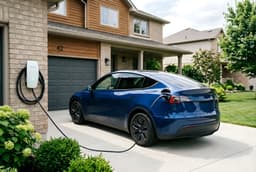
Driveways with EVs are North America’s biggest untapped charging network. They’re already installed, powered and ready, and many are in locations right where drivers actually need to charge.
When driveway owners list their chargers on RoadtoEV, it transforms a closed asset into a community resource. And unlike public stations, they require zero permitting, zero interconnection and zero timelines.
Semi-Public Parking Lots
Think workplaces, churches, SMEs, community centres and more. These are private lots with fixed hours. They can be perfect EV charging hubs. Of course, they would rarely qualify for public funding, and owners don’t want to navigate the maze of grants and upgrades.
Through RoadtoEV, these locations can open their chargers on their terms, generate revenue, and best part, offer meaningful access in regions where public infrastructure will take years to arrive.
Community Hosts
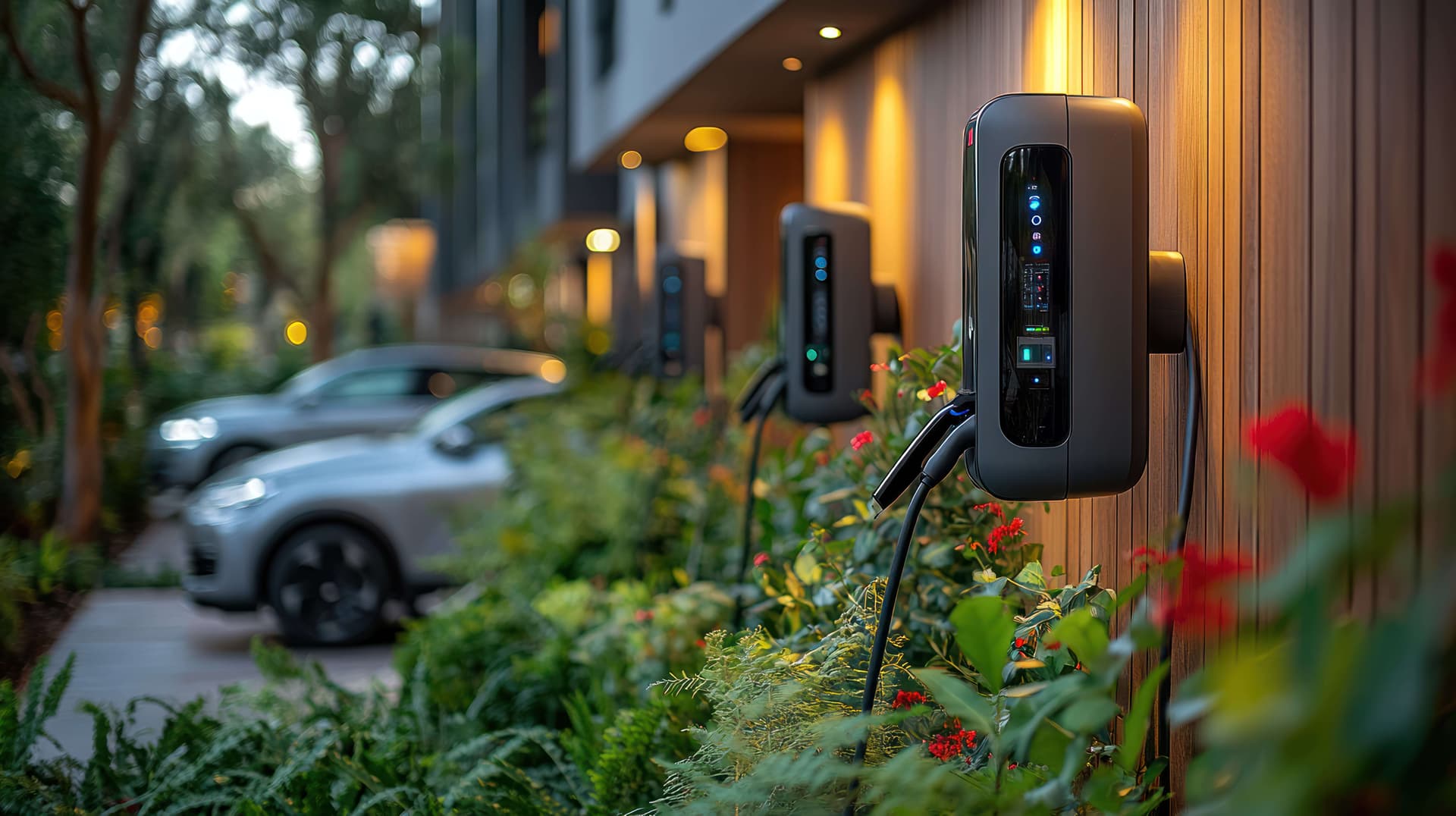
Neighbourhoods with high density, older housing, or limited driveways often remain without EV charging access even in progressive cities. But when even a few local residents list their chargers, it creates a micro-network that gives neighbors home-charging convenience.
This is the missing middle. The small, human-scale charging that meets daily life, not just highway needs.
Rethinking North America’s EV Goals
Governments are pouring billions into public EV infrastructure. This is essential. But without community or P2P charging, problems will persist.
For one, urban residents, like condo dwellers, without home charging represent one of the largest audiences who are EV ready, but don’t have EV charging access . If we can’t solve their charging reality, adoption will stall.
Then comes the issue of overloaded public networks. As EV adoption accelerates faster than public construction, every bottleneck becomes glaringly apparent and more painful. And of course, there’re wait times, broken chargers, overloaded hubs and geographic unequal distribution.
Distributed charging like RoadToEV flattens demand across thousands of smaller nodes.
And finally, a platform like RoadtoEV can give infrastructure and utilities breathing room. With home and semi-private L2 chargers spreads out, it balances the grid, keeps charging local and reduces strain on peak-demand corridors. Imagine pulling thousands of EVs off highways and into distributed charging.
RoadtoEV = Perfect Solution
RoadtoEV wasn’t created to replace public charging, rather to give EV drivers something the public model can’t. Flexible, fast, and easy access that grows as quickly as the community wants it to.
Here’s how:
Turning driveways into charging access points
Homeowners earn money. Communities gain chargers. EV drivers get dependable places to park and power up. It’s a win at every level.
Helping drivers plan life first, charging second
Instead of planning your day around where the chargers are, RoadtoEV flips the script. Heading to a friend’s house or a dance recital, or maybe a long weekend wine tour? You can now find a driveway charger near you, not the other way around.
Building a community
Every driveway added lightens the load on public stations. Every workplace that opens its chargers becomes a micro-hub. Every neighbourhood host gives one more driver access. There’s a community being built here.
Filling the adoption gaps
NEVI and ZEVIP are great. But timelines, permitting and grid upgrades can take years. Community-driven charging can expand now.
The missing middle was never a problem. It’s an enormous opportunity. And RoadtoEV is filling it…
Download the RoadtoEV app to see how p2p charging can stabilize and improve public charging networks. List your home charger, or book one nearby, and help build the network that powers the next EV revolution.
Available on all major app stores. Learn more at RoadtoEV.com
For EV Auto Makers, Home L2 Charger Manufacturers and Public Charger Operators, and other businesses looking to partner with RoadToEV app contact marketing@RoadtoEV.com