


How to Read an EV Charging Station Listing Before You Arrive
Finding a charging station is only the first step in planning an electric vehicle trip. Before driving to a charger, it helps to understand what the station listing actually tells you. Details such as connector type, charging power, access hours, payment options, parking rules, and current status can affect whether the location works for your vehicle and your plans.
A charging listing is most useful when you treat it as a planning tool rather than a guarantee that every detail will remain unchanged. Station information can vary by network, location, and operator, and conditions may change. This guide explains how to read a listing, which details matter most, and what to confirm before setting off.
1. Check the connector type first
The connector is one of the most important details because your vehicle must be able to connect to the charger. EVs use different charging standards depending on the vehicle, model year, market, and charging network. A listing may name a connector standard or show a connector image.
Check the connector information against your vehicle's manual or manufacturer guidance. Do not assume that a station is compatible simply because it is described as an EV charger. Some locations offer more than one connector type, while others have a limited selection.
If your vehicle uses an adapter, verify that the adapter is approved for the specific charging situation and that it supports the required charging standard. Compatibility can depend on more than whether the plug physically fits. When in doubt, confirm with the vehicle manufacturer or charging operator before relying on the station.
2. Understand the charging power
Listings may show a charger's power in kilowatts (kW). In general, higher power can allow faster charging when the vehicle can accept it, but the number shown on the charger is not a promise of the speed your vehicle will receive.
Actual charging speed can depend on the vehicle's maximum charging rate, battery temperature, state of charge, charger sharing, and other operating conditions. A vehicle may charge more slowly than the maximum advertised power, especially as the battery approaches a high state of charge.
Check whether the listing describes Level 2 AC charging or DC fast charging, where applicable. These categories serve different needs. AC charging is often useful for longer stops, while DC fast charging is commonly used when drivers need to add energy during a journey. Plan using realistic expectations rather than the highest number on the listing.
3. Review the location and access details
Confirm the full address and the exact part of the property where the charger is located. A station may be inside a parking garage, behind a gate, on a particular level, or within a business's parking area. If directions or access notes are provided, read them before you leave.
Check the operating hours. A charger located at a shopping center, hotel, office building, or private property may not be accessible around the clock. Access can also depend on whether the business is open, whether a gate is locked, or whether a visitor needs permission.
For private or restricted chargers, never assume that a listing means unrestricted access. Confirm that you are authorized to use the charger and understand any booking or check-in requirements. RoadToEV users should always follow the access information and property rules associated with a location.
4. Look for pricing and payment information
Charging costs can be structured in different ways. A station may charge by energy used, time connected, a session fee, parking duration, or a combination of charges. Some networks may require an account or app, while others may support a payment card or another method.
Read the pricing details carefully and check whether parking fees are separate from charging fees. A charger located in a paid garage may involve costs beyond the electricity session. Also look for idle fees or time limits that may apply after charging finishes.
If the listing does not provide clear pricing, check the operator's official information before starting a session. Keep in mind that prices can change, and a third-party listing may not always show the latest terms. Understanding the payment method in advance can help avoid delays at the station.
5. Interpret availability and station status carefully
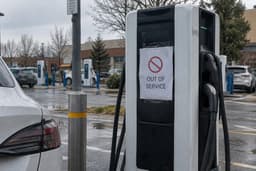
Some listings may show whether a charger is available, in use, or out of service. Treat status information as a useful signal, not an absolute guarantee. Updates may be delayed, and a charger can become unavailable between the time you check and the time you arrive.
If you are travelling with a low battery or through an area with few charging options, identify a backup location before leaving. Check the distance to the alternative and make sure it is compatible with your vehicle. Do not plan a route that depends entirely on a single charger when a failure would leave you stranded.
When a charger appears unavailable, check the operator's own information where possible. If you arrive and find a problem, follow the site's instructions and contact the operator rather than attempting unsafe repairs.
6. Check parking rules and time limits
A charger's location may have parking rules that are separate from the charging equipment itself. Look for information about maximum stay, parking fees, restricted spaces, permits, or whether the space is reserved for active charging.
Avoid occupying a charging bay after your session has ended if other drivers may need it. At the same time, do not disconnect another vehicle or use a space that you are not authorized to use. Follow signs at the property because on-site rules may take precedence over incomplete online information.
If you plan to leave your vehicle while shopping or working, estimate how long you will be away and check whether that duration is permitted. Parking restrictions can affect the practical usefulness of a station even when its connector and power rating are suitable.
7. Confirm practical details before you travel
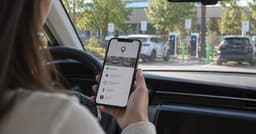
Before setting off, review the station listing as a whole: address, connector, charging type, power, access hours, payment, pricing, parking rules, and status. Check whether you need an app, account, access code, or reservation. Make sure your phone has enough battery to access directions or payment tools.
For a longer journey, include a second charging option in your plan. Consider weather, traffic, road conditions, and the amount of energy your vehicle may use. If the charger is at a private property, confirm permission directly where required.
A short pre-trip check can save time and reduce uncertainty. It also helps you decide whether the station is suitable for the time you expect to arrive, not just whether it looks suitable on a map.
How RoadToEV can support your charging search
RoadToEV helps drivers explore public and participating private charging locations. You can use the platform's charger resources as part of your planning process, then review the details available for a particular location and confirm important restrictions with the operator or property owner.
Explore the RoadToEV Public Chargers and Private Chargers pages to understand the available options. The most suitable location is one that matches your vehicle, route, schedule, and access requirements.
Frequently asked questions
What should I check first on a charging station listing? Start with connector compatibility and location. Then review charging power, access hours, payment, pricing, parking rules, and status.
Does a higher kW rating always mean faster charging? No. The vehicle's charging capability, battery conditions, and charger operation can limit the actual speed.
Can I use any private charger shown online? No. Confirm permission and follow the property owner's access requirements.
Is a station's availability status guaranteed? Not necessarily. Status information can change or be delayed, so have a backup option when practical.
Where can I find RoadToEV charger information? Visit the public and private charger pages on the RoadToEV website and confirm critical details with the relevant operator.
Conclusion
A charging station listing can help you make a better decision when you know which details to check. Confirm connector compatibility, understand the power rating, review access and payment rules, and pay attention to parking restrictions and station status.
For trips where charging options are limited, identify a backup and avoid relying on unverified information. A few minutes of preparation can make charging more predictable and help you choose a location that fits your vehicle and schedule.