


EV Charging for Visitors: What to Check Before Using a Private Charger
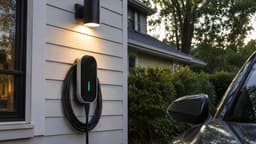
Private EV chargers can be located at homes, workplaces, apartment buildings, hotels, or other properties. In some situations, a charger may be available to an authorized visitor, but private equipment should never be treated as automatically open to the public.
Before planning to use a private charger, confirm that you have permission, understand how to access the property, and know what rules apply. You should also check that the connector is compatible with your vehicle and that any booking or payment requirements are clear.
This guide covers the practical questions to ask before using a private EV charger as a visitor, helping you plan respectfully and avoid arriving at a location you cannot use.
1. Confirm permission before travelling
The first step is to establish whether visitors are allowed to use the charger. A charger visible on a map or mentioned online does not automatically mean that the property owner has offered access.
Check the listing details and follow any contact or booking process provided. If permission is required, obtain confirmation before setting off. Do not enter a private driveway, gated facility, staff-only parking lot, or residential building without authorization.
If the charger is associated with a business or accommodation provider, ask whether it is available to non-customers, guests, employees, or only specific groups. Access may depend on the reason for your visit, opening hours, or property rules.
Clear permission helps protect the property owner's privacy and prevents unnecessary travel.
2. Understand booking and arrival instructions
Some private chargers may require advance booking, a host confirmation, a code, or instructions for entering the property. Read all directions before your journey and keep the relevant contact information available.
Confirm the time window for your visit and what to do if you arrive early or late. If the charger is shared among several authorized users, understand how long you may occupy it and whether another booking follows yours.
Do not share access codes publicly or pass them to people who have not been authorized. If the instructions are unclear, ask the host rather than guessing how to enter the property.
A simple confirmation message before departure can help ensure the charger is accessible when you arrive.
3. Check connector compatibility and charging type
Private chargers may offer different connector standards and power levels. Confirm the connector and charging type against your vehicle's requirements before booking or travelling.
A connector that physically fits is not always enough to guarantee compatibility. If you plan to use an adapter, check that it is approved for the intended use and supported by the vehicle and charging equipment manufacturers.
Also understand the likely charging speed. A private AC charger may be appropriate for a longer stop but may not provide a rapid charge during a short visit. Charging speed depends on the vehicle, equipment, battery conditions, and other factors.
If the listing does not clearly describe the equipment, ask the host for the charger model or connector details.
4. Ask about pricing and payment
Before using a private charger, confirm whether charging is free, paid, included with another service, or subject to a separate fee. If a fee applies, ask how it is calculated and how payment should be made.
Clarify whether the price is based on energy, time, a session, or another arrangement. Ask whether parking costs or other fees apply separately. Do not assume that a private charger is free simply because it is at a residence or business.
Use the agreed payment method and keep a record of the transaction when appropriate. Be cautious about unexpected requests for sensitive payment information. If the terms change or are unclear, resolve them with the host before connecting your vehicle.
5. Respect parking and property rules
A charging space may be part of a private driveway, shared parking area, commercial property, or residential facility. Follow the host's instructions about where to park, how to position the vehicle, and which areas are off limits.
Check whether there is a maximum stay and when you must move the vehicle. Do not block driveways, entrances, accessible spaces, fire routes, or other vehicles. Keep cables positioned safely so they do not create a trip hazard or obstruct access.
If you need to leave during charging, make sure you understand how to contact the host if a problem occurs. Leave the area as you found it and do not enter parts of the property that are not part of the authorized visit.
6. Use the charger safely
Inspect the charging equipment visually before use. Do not use a cable or connector that appears damaged, and do not touch exposed wiring or attempt repairs. Follow the vehicle and charger instructions for connecting and ending a session.
Keep connectors dry as directed by the equipment manufacturer, and do not use makeshift extensions or unapproved equipment. If an error appears or something seems unsafe, stop and contact the host or operator.
Never force a connector into the vehicle. If it will not connect or release, follow the manufacturer's documented process and ask for help if needed. Safety takes priority over completing the charge quickly.
7. Be considerate of the host and future users
Private charging works best when visitors communicate clearly and respect agreed arrangements. Arrive within the confirmed time, follow the charging instructions, and notify the host if your plans change.
Do not occupy the space longer than agreed. Once charging is complete, move your vehicle when required so another authorized user can access the charger. If a delay occurs, contact the host rather than leaving the situation unexplained.
Report any problem accurately and avoid changing settings or disconnecting equipment beyond normal use. A courteous approach helps maintain trust between charger owners and visitors.
How RoadToEV fits into private charging discovery
RoadToEV helps drivers explore public and participating private charging locations. When you find a private charger that may suit your journey, read the listing carefully and confirm permission, booking, pricing, and access requirements with the relevant host.
Visit the RoadToEV Private Chargers page to explore the available resource. Remember that a private listing does not remove the need to follow the owner's rules or verify that the charger is suitable for your vehicle.
Frequently asked questions
Can I use any private EV charger I find online? No. You must have permission and follow the property owner's access conditions.
Should I book a private charger in advance? If the host or listing requires booking, confirm the time and arrival instructions before travelling.
How do I check compatibility? Confirm the connector and charging type against your vehicle's manual or manufacturer guidance.
Are private chargers always free? No. Pricing varies, so confirm fees and payment terms before use.
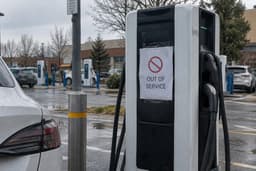
What should I do if the charger looks damaged? Do not use it. Keep away from unsafe equipment and contact the host or operator.
Conclusion
Using a private EV charger as a visitor starts with permission and clear communication. Confirm access, booking instructions, connector compatibility, charging costs, and parking rules before leaving home.
Once you arrive, follow the host's instructions, use the equipment safely, and move your vehicle when required. If something is unclear or appears unsafe, ask for help instead of guessing.
Private charging may be a useful option when access is authorized and the charger suits your needs. Careful planning helps protect your time, your vehicle, and the property owner's trust.