


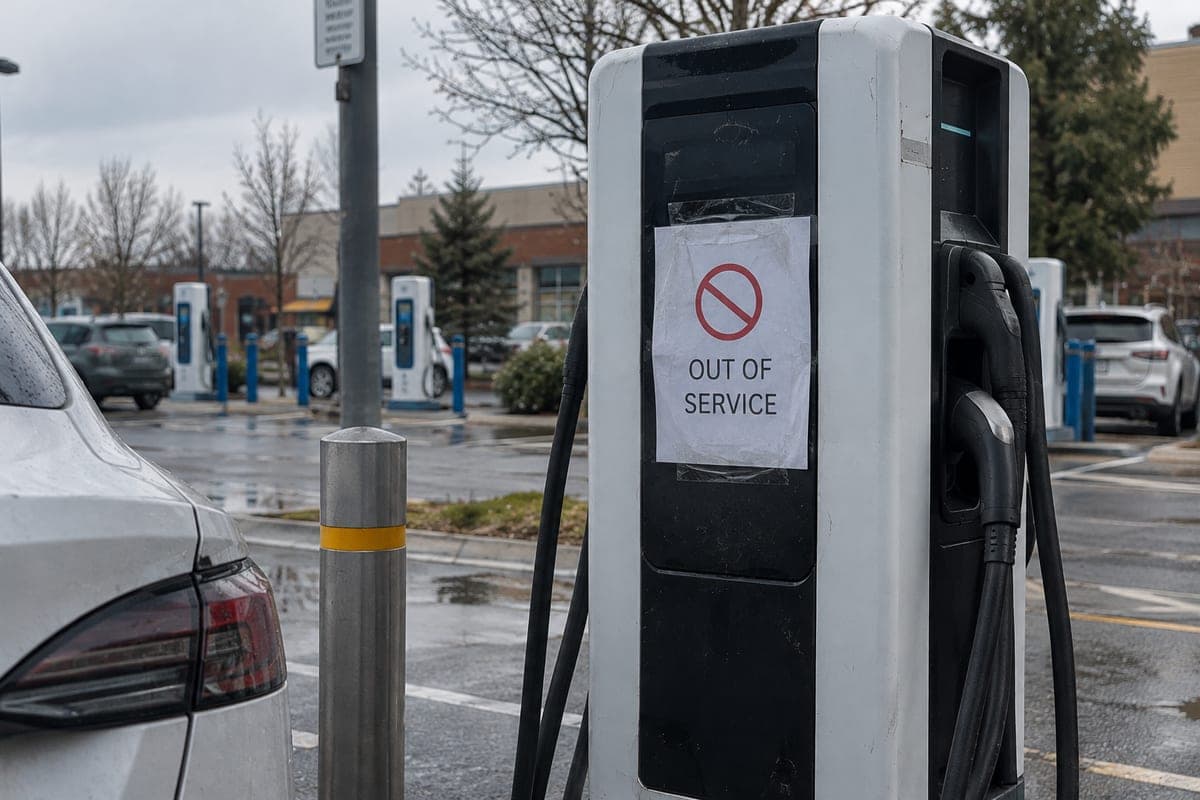
What to Do When an EV Charging Station Is Out of Service
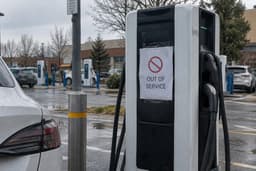
Arriving at a charging station only to discover that it is unavailable can be frustrating. The charger may be offline, occupied, damaged, blocked, or unable to start a session. If your battery is low, the situation can feel stressful, especially when you are travelling in an unfamiliar area.
The safest response is to stay calm, check the situation without taking risks, and move to a suitable alternative. A backup plan is particularly important on longer journeys or in places where chargers are spread far apart.
This guide explains practical steps to take when an EV charger is out of service, how to choose an alternative, and how to reduce the chance of a similar disruption next time.
1. Check the station information
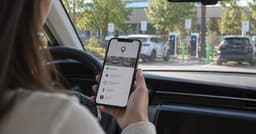
Start by reviewing the charger listing and any status information available through the charging operator. The station may be marked unavailable, under maintenance, or temporarily offline. If the listing includes an operator contact or support number, keep it available.
Remember that online status information can be delayed. A station shown as available may not work when you arrive, while an apparent outage may already have been resolved. Use status information as a guide rather than a guarantee.
Check nearby chargers before you decide what to do next. If your battery level is low, prioritize a realistic alternative that your vehicle can use, rather than spending too much time trying to troubleshoot a charger that is clearly unavailable.
2. Stay safe at the charging location
If the charger appears damaged, has exposed wiring, smells burnt, is unusually hot, or shows other signs of a safety problem, do not touch or attempt to repair it. Keep a safe distance and follow any posted site instructions. Contact the charging operator or property manager to report the issue.
Do not force a connector into a port, tamper with equipment, or use improvised tools to make a session work. If a cable is stuck, follow the vehicle and charger manufacturer's documented release process. If that does not work, contact the operator or roadside assistance as appropriate.
If the location itself is unsafe or access is restricted, move to a safe place before using your phone or reviewing your route. Safety should come before saving a few minutes or trying to complete a charging session.
3. Choose a compatible backup charger
Look for another station within a distance your remaining battery can comfortably support. Check connector compatibility, charging type, power, access hours, payment requirements, and any parking restrictions.
Do not choose a backup based only on the nearest pin on a map. A nearby charger may be private, behind a locked gate, incompatible with your vehicle, or unavailable to the public. Review the details and confirm access where needed.
If several options are available, consider selecting a location with multiple charging stalls or another nearby alternative. This can reduce the risk of arriving at a second station that is also unavailable. If you are unsure which connector or charging type your vehicle supports, check the owner's manual or manufacturer guidance.
4. Preserve your remaining battery
When a planned charger fails, reduce unnecessary driving until you have a reliable alternative. Use your vehicle's energy-saving or range information as a guide, and avoid sudden detours unless they are needed for safety.
Range estimates are not guarantees. Speed, temperature, terrain, traffic, climate control, payload, and driving style can affect energy use. Do not push the vehicle to an extremely low battery level merely to reach a charger that might work.
If you believe you cannot reach a suitable charging point, pull over at a safe, legal location and contact roadside assistance or your vehicle's support service. Follow the vehicle manufacturer's guidance for low-battery situations.
5. Contact the charging operator
If the charger is not working, use the support details displayed on the station or in the operator's app. Be ready to provide the location, charger number or stall identifier, the error message, and a brief description of what happened.
The operator may be able to confirm an outage, offer troubleshooting steps, or explain whether another stall at the same site is functioning. Do not share payment credentials or account passwords with anyone who contacts you unexpectedly.
If you paid for a session that did not start or did not deliver the expected service, keep the receipt or transaction reference and follow the operator's process for support or refunds. Policies vary by provider, so document the issue clearly.
6. Report the problem accurately
Reporting a faulty charger helps the operator and can help other drivers make informed choices. Use the available reporting channel and provide factual details. Mention whether the screen was blank, the connector was damaged, an error code appeared, or the charger would not initiate a session.
Avoid guessing about the cause of the failure. A clear description of what you observed is more useful than an unsupported conclusion. If the station has multiple stalls, identify the specific one affected.
If a public listing allows feedback, make sure your report is current and accurate. Do not post personal information, payment details, or photos that expose other people's private information.
7. Prepare for the next trip
A little preparation can reduce the impact of a charger outage. Before a longer trip, identify charging stops and at least one backup option where practical. Check station information shortly before departure and again as you approach a planned stop.
Keep charging cables and approved adapters organised, and know how your vehicle displays battery range and charging errors. Make sure your phone can access maps and charging apps, and consider carrying a suitable charging payment method.
Do not assume every destination has a working public charger or that every private charger is available to visitors. Confirm access and plan a realistic route with a comfortable reserve rather than relying on the last possible kilometer of estimated range.
How RoadToEV can help you find alternatives
RoadToEV provides resources for exploring public and participating private charging locations. When a planned charger is unavailable, use the available information to identify other locations that may fit your vehicle and route. Always confirm key details with the relevant operator or property owner, because access and status can change.
Explore RoadToEV Public Chargers and RoadToEV Private Chargers as part of your backup planning.
Frequently asked questions
Should I keep trying a charger that appears broken? If there are signs of damage or a safety issue, stop and keep away. For ordinary connection errors, follow the documented instructions and contact the operator if needed.
How do I choose a backup charger? Check compatibility, distance, access, status, payment, and parking rules. Prefer a realistic option that leaves a safe battery reserve.
What if I cannot reach another charger? Stop in a safe, legal place and contact roadside assistance or your vehicle support service.
Can I get a refund for a failed charging session? That depends on the operator's policy. Keep the transaction details and contact its support team.
Should I report a broken charger? Yes, if a reporting channel is available. Provide accurate details without attempting repairs.
Conclusion
A charger outage does not have to become a crisis if you respond methodically. Check the station information, stay away from damaged equipment, identify a compatible alternative, and preserve enough battery to reach it safely.
For longer journeys, plan backup charging options before you leave and confirm access details for each stop. If you cannot reach a safe charging location, contact roadside assistance rather than taking unnecessary risks.
A little preparation—and accurate reporting when equipment fails—can make charging more dependable for you and other EV drivers.