





Residential EV Chargers Are Becoming Grid Assets
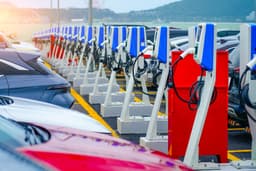
In discussions about grid modernization and electric vehicle (EV) infrastructure, public DC fast charging and utility-managed deployments have generally been the only considerations. They have been the backbone of long-distance travel and public access charging. And they still are indispensable and heavily funded.
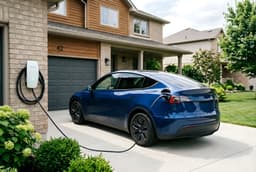
But this narrative is now starting to evolve. This change has been brought on by stakeholders who recognize that residential charging, once considered backup or marginal capacity, can be a baseline grid asset, capable of enhancing flexibility, equalizing peaks and contributing to reliable EV charging.
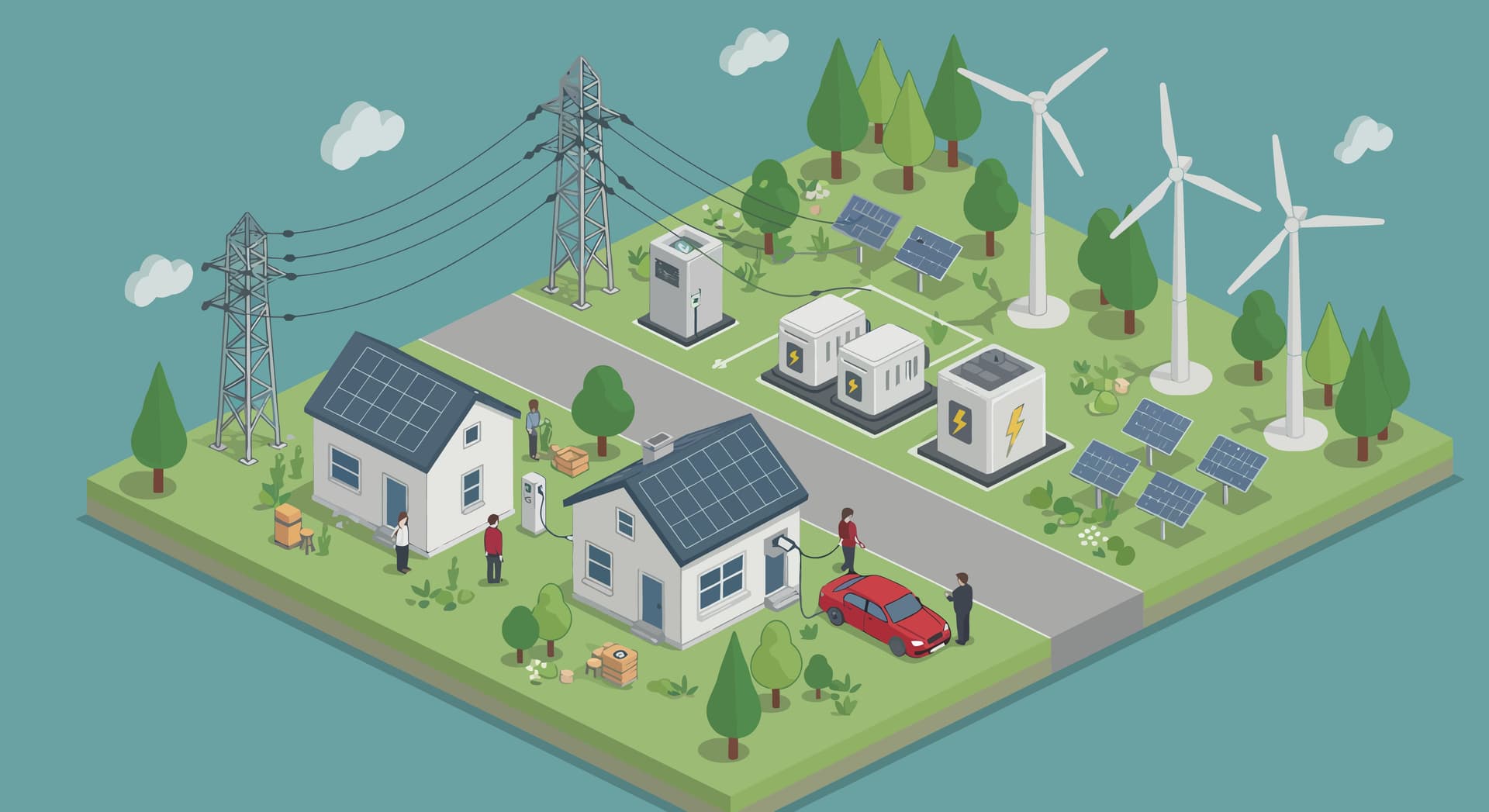
This shift is significant. It means distributed energy resources (DERs) are being reimagined as grid-supportive assets. And RoadtoEV is making this happen by enabling aggregated residential chargers become part of the broader grid network.
Seasonal Peaks and Dynamic Load
At the centre of the current grid challenge is lag between load growth, infrastructure planning timelines and actual usage. Especially in North America's dynamic EV deployment environment.
Both United States and Canada have their own government policy to make EV adoption a priority. Initiatives like the NEVI in US and Canada's ZEVIP have funded thousands of chargers and spurred public infrastructure build outs. Yet even as EV sales climb, grid planners and utilities still have operational headaches like demand spikes caused by residential heating and cooling loads. Then there's the timing misalignment between EV charging and off-peak periods. And interconnection delays for high-power DC fast chargers
For demand planners and operators looking to stabilize loads and improve capacity forecasting, relying solely on public charging infrastructure is not the way to go.
Residential Charging: From Underused to Strategic
Home EV chargers have generally been treated as passive. However, as charging behavior becomes more predictable and more data flows from connected vehicles and charger platforms, charging behaviours can be changed.
1. Load Flexibility Through Controlled Timing
The residential charging profile is flexible. Most EV owners charge overnight and during evening hours, taking advantage of off-peak rates. If planned intelligently, these loads can be shifted to support off-peak loads when generation is more abundant.
When utility companies try out demand response programs, residential EV chargers are an untapped source of flexible load. The delayed charging or variable power draw works well with grid flexibility needs.
2. Spatial Distribution To Increase Reliability
Public and DC fast chargers are concentrated in urban areas, commercial zones and travel corridors. This can create localized stress during peak periods. Residential chargers, by contrast, are distributed. It just is this way.
Their dispersion smooths loads and reduces stress on any single substation or feeder.
So, a neighborhood with hundreds of residential chargers becomes a decentralized buffer against localized peaks. Especially when charging sessions are scheduled through platforms like RoadtoEV.
3. Data Insights and Predictability
One of the biggest barriers to integrating DERs into grid planning is the lack of usable data. Residential charging, when aggregated through networked platforms, can provide operators with visibility into patterns of use, and not just aggregate kWh metrics.
This visibility enables utility companies to anticipate charging peaks down to the neighborhood level and design incentives that align EV charging with grid conditions. Also, they can optimize transformer loading and defer infrastructure upgrades.
Policy Implications
From a policy perspective, governments in the U.S. and Canada are eager to electrify transportation while maintaining grid reliability and affordability. But building chargers and managing them are a whole different ball game.
NEVI and ZEVIP investments are necessary and welcome, but they target physical infrastructure deployment, not operational flexibility or seasonal patterns. Residential charging can align consumer behavior with grid performance. However, policy does not acknowledge this.
Some jurisdictions are beginning to explore incentives for managed residential charging. Time-of-use rates, dynamic pricing and utility-sponsored load management pilots point toward broader acceptance of residential chargers as DERs.
However, barriers still exist. For example:
- Regulatory frameworks treat residential consumption as pure load rather than potentially dispatchable load.
- Billing structures do not provide full visibility or incentive for load shifting
- Privacy and data governance concerns inhibit real-time data sharing
Addressing these gaps will require collaboration between regulators, utilities, technology platforms, and homeowners. The sophistication of distributed networks like RoadtoEV can provide a roadmap for this collaboration.
The Economics of Distributed Load Management
Economic logic will always favor a mixed charging model.
Public DC Charging stations are capital-intensive and sensitive to demand charges and utilization volatility. Their economic viability depends on high throughput. This is exactly the pattern that gets shaken up in winter.
Residential L2 chargers, by contrast, generally operate at lower power and avoid the steep demand charges. Their cost per session is generally lower, and because they are tied to usage times (overnight, workday, shopping), the usage is predictable.
Allowing these residential assets to complement public infrastructure offers economic benefits like reduced peak load exposure for utilities and lower costs per charge session. The best part is the increased overall charging capacity without new construction
Platforms like RoadtoEV convert private infrastructure into a responsive grid asset.
Homeowners can monetize their chargers, while the grid gains additional distributed capacity.
RoadtoEV: A Distributed Layer in the Charging Ecosystem
RoadtoEV's has been designed to support this transition.
It enables homeowners to list their chargers and allows drivers to book them. RoadtoEV also helps solve range anxiety and provide convenience. From a larger perspective, it also increases total accessible charging capacity without waiting for any infrastructure investment.
This distributed capacity becomes valuable especially when public chargers are congested or winter reduces range and increases charging frequency. Also, urban density limits public charger deployment and this allows for these private chargers to be utilized.
So, RoadtoEV's network eases some constraints policy and infrastructure build-outs struggle to overcome.
The platform's data layer, anonymous usage, temporal patterns and spatial clustering, becomes an important tool for utilities and planners looking to model demand and design incentives.
Home Charger Owners = Micro-Contributors to Grid Resilience
This article is not to tell homeowners what to do, but rather recognize the economic and operational value of a resource already present.
Every residential charger listed on a network adds capacity where people live, reduces pressure on centralized assets, creates charging options and smooths charging loads.
And for the homeowner, it's monetizing something they already own.
RoadtoEV allows charger hosts to set availability and pricing, making charger monetization an easy side business that offsets electricity and installation costs, and rewards participation in a community charging network.
TL;DR
The conversation around EV charging infrastructure is starting to change. It's no longer enough to count plugs per capita or measure build-outs in kilometers of corridors. We need models that reflect usage patterns, grid interaction, and seasonal behavior.
Residential chargers are no longer just a backup, they are an asset capable of supporting grid flexibility and localized reliability. Platforms that aggregate and operationalize them, like RoadtoEV, demonstrate how distributed infrastructure can scale quickly, effectively and in alignment with human behavior.
Policy should support infrastructure deployment, but economics and operations should embrace the assets already in homes. That's where winter resilience, load management, and grid stability become possible.
Ready to Join the Grid Revolution?
Download the RoadtoEV app to see how winter EV driving can become effortless. List your home charger, or book one nearby, and help build the network that powers the next EV revolution.
Available on all major app stores. Learn more at RoadtoEV.com
For EV Auto Makers, Home L2 Charger Manufacturers and Public Charger Operators, and other businesses looking to partner with RoadtoEV app contact marketing@RoadtoEV.com