





Winter is the Ultimate EV Charging Stress Test
P2P Data Can Predict and Prevent Grid Failure
Utilities and grid planners know winter for what it means to the grid. It's the moment they prep for.
From load spikes to heating demand surges, and everything else that causes equipment to operate closer to its limits. And add to this the increased EV charging demand.
In theory, they've been preparing for this. Forecasting models account for seasonal demand shifts. Infrastructure upgrades have been planned much in advance. Demand response programs have been put in place to smooth peaks.
Of course, reality tells a different story. Because these models are still understanding how EVs are actually used in winter.
Which means, data sources that can predict or explain this can make a difference.
Peer-to-peer charging platforms like RoadToEV are generating high-resolution, real-world data on how, when, and where EV drivers charge under peak stress conditions.
And this data is actionable.
Winter Is Not A Wonderland
Most load forecasting models are built on historical patterns. Incremental adjustments are made as the years go by to adjust for increases. But EV charging introduces variability that's been harder to predict. And when it comes to cold weather, all bets are off.
Why? Because in winter EV range drops by 20% – 40%, charging takes longer due to cold batteries, drivers shift charging times to align with indoor activities, and public fast chargers experience congestion.
This creates demand patterns that don't match with the usual. Instead of predictable peaks, utility companies have been observing extended overnight charging, midday spikes in residential neighborhoods and a sudden clustering of demand in specific areas during cold snaps.
So, along with higher demand, there's also unpredictable distribution.
Blind Spots
Utilities have strong visibility into meter-level household consumption, substation-level load and commercial/industrial usage.
EV charging behavior sits in a gray zone.
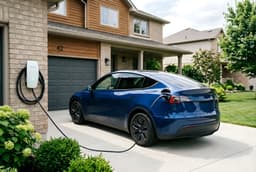
Home charging blends into household load. Public charging is easier to track but it represents only part of the picture. Most importantly, it doesn't have any behavioral context.
For example, there's no information why demand spiked in a specific neighborhood on a specific evening. If it was temperature-driven, or a nearby fast charger was offline, etc.
Traditional datasets don't answer these questions clearly.
P2P Charging Data
Community charging platforms have more pertinent datasets. They capture exact charging session start and end times, location-specific usage patterns, booking behavior, duration and frequency of sessions and seasonal shifts in demand.
This information is specifically tied to EV charging. Because drivers can book, it also reflects intent, not just consumption.
This makes P2P data valuable for understanding real-world demand.
Predictive Load Forecasting
Forecasting models need insightful data to make impactful choices. By integrating P2P charging data, utility companies can refine their models:
Seasonal Behavior: Winter charging patterns can be modeled with more accuracy, including the dwell times and session frequency.
Behavioral Demand: Through booking data it's possible to know when drivers anticipate needing a charge, offering insight into demand.
Load Mapping: Utility companies can identify how charging demand occurs across residential areas rather than just public infrastructure.
Scenario Testing: Planners can simulate how demand shifts under different conditions, such as extreme cold events or public charger outages.
This results in a more dynamic, more responsive forecasting framework.
Identifying Weak Points
Grid failures don't happen randomly. They can be observed arising from stress accumulating at specific points in the network. The challenge is identifying them early.
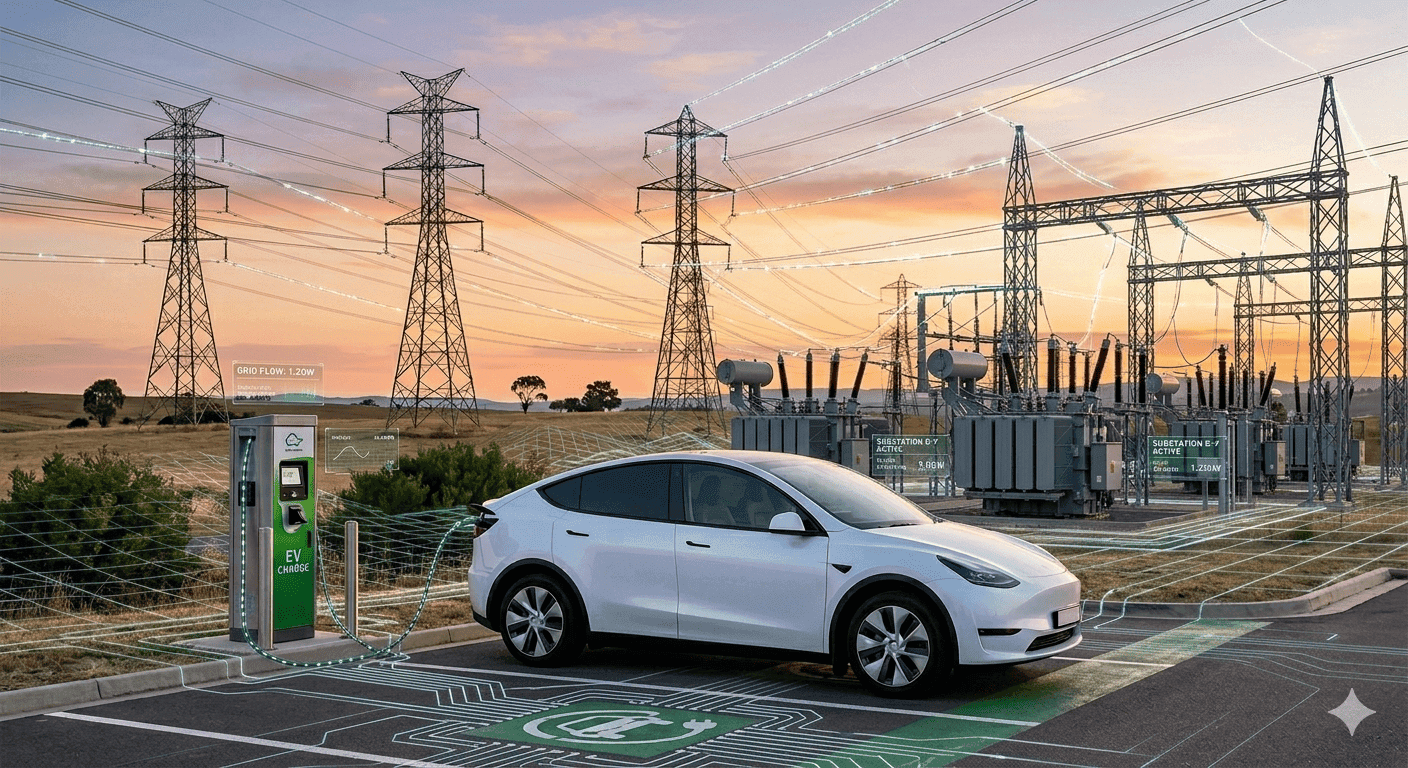
P2P data helps to know when feeders are experiencing demand spikes or areas where public infrastructure is insufficient, pushing load into residential circuits.
Instead of reacting to outages or overload events, utility companies can intervene proactively by making targeted infrastructure upgrades and transformer replacements. And also try load balancing strategies with demand response programs.
Not every part of the grid needs attention at once. P2P data helps identify where it's needed most.
A New Model for Utility Partnerships
Utility companies generally partner with large charging networks and hardware providers. However, P2P platforms represent a different kind of partner.
They provide behavioral and operational data at scale. A utility partnership with RoadToEV could include data-sharing agreements for anonymized usage patterns, joint pilot programs for demand response, integration with grid management systems and collaborative planning for high-growth areas.
This makes the relationship extremely strategic.
Grid Modernization Needs Real-World Data
Grid modernization is only looked at in terms of technology. For example: Smart meters, advanced management systems or automated controls. These are important.
But without real-world usage data, they wouldn't be able to function efficiently
EV charging is one of the fastest-growing and least predictable loads on the grid. Understanding it requires layers of data that reflects human behavior under real conditions.
Winter, with its extreme demands and behavioral shifts, provides the clearest view of this.
Winter Will Get Harder
EV adoption is accelerating. Electrification of heating is expanding. Climate variability is increasing.
Winter peaks are not going away. They're becoming more complex.
The question for utilities isn't whether the grid will face stress. It's whether they'll have the tools to anticipate and manage it effectively.
Peer-to-peer charging networks offer one of those tools.
Not by adding more hardware, but by revealing how existing infrastructure is actually used.
The Data Is There
Thousands of residential chargers are already active, with thousands of drivers booking sessions. Every interaction generates data. The opportunity now is to use it.
With the layered data, it's possible to move beyond assumptions and identify risks. This will help refine models with real-world behavior.
Winter will always test the grid. Thankfully, armed with the right data, it won't surprise it.
Download the RoadToEV app to see how EV charging can make a difference to your journey. List your home charger, or book one nearby, and help build the network that powers the next EV revolution.
Available on all major app stores. Learn more at roadtoev.com
For EV Auto Makers, Home L2 Charger Manufacturers and Public Charger Operators, and other businesses looking to partner with RoadToEV app contact marketing@RoadtoEV.com